Table of Contents
Cocktail balance is the difference between a drink you finish and one you push aside after two sips. It's the reason a well-made margarita tastes refreshing while a bad one tastes like liquid candy. And it's the single most important concept that separates great home bartenders from people who just pour things into glasses.
Here's the secret professional bartenders know: sweetness isn't the goal. Balance is. A truly balanced cocktail has just enough sweetness to round out the edges, just enough acidity to keep things bright, and just enough strength to remind you that you're drinking something with intention.
What's in This Article
- The Four Elements of Cocktail Balance
- Why Sugar Isn't the Answer
- The 2:1:1 Ratio (And When to Break It)
- How to Fix an Unbalanced Drink
- Classic Cocktails That Nail Balance
- FAQs About Cocktail Balance
The Four Elements of Cocktail Balance
Every great cocktail is built on four pillars. Understanding how they interact is the foundation of cocktail flavor balance—and the key to making drinks that taste intentional rather than accidental.
1. Strong (The Spirit)
This is your base—vodka, gin, tequila, whiskey, rum. The spirit provides the backbone and carries the other flavors forward. Without enough strength, a cocktail tastes watered-down and weak. Too much, and it burns on the way down. Finding the right amount is the first step to achieving proper cocktail balance.
2. Sweet (The Softener)
Sweetness rounds out harsh edges and makes the drink approachable. It comes from simple syrup, liqueurs, agave, honey, or fruit juices. But here's the critical point: sweetness should support the other flavors, not dominate them. A balanced cocktail uses just enough sweet to smooth things out—never more.
3. Sour (The Brightness)
Acidity from citrus—lemon, lime, grapefruit—brings freshness and structure to a drink. It cuts through sweetness and lifts the entire cocktail. This is why sweet and sour cocktails like margaritas, daiquiris, and whiskey sours are so universally loved: the sour element keeps everything bright and alive.
4. Bitter or Dilution (The Finisher)
Bitters add complexity and depth—just a few dashes can transform a flat drink into something memorable. Dilution (from ice, shaking, or stirring) softens the alcohol's heat and unlocks flavors that would otherwise stay hidden. Both elements are often overlooked by home bartenders, but both are essential to achieving true cocktail balance.
Why Sugar Isn't the Answer
Most bad cocktails have the same problem: they rely on sugar to cover up imbalance instead of fixing the underlying issue.
Think about that overly-sweet margarita at the beach bar. It's not sweet because the bartender loves you. It's sweet because cheap ingredients, poor proportions, and lack of fresh citrus need something to hide behind. Sugar becomes the cover-up, not the solution. The result is a drink that tastes one-dimensional and leaves you feeling sluggish.
The truth: When a cocktail has proper cocktail balance, you don't need much sweetness at all. The sour element brightens, the spirit carries, and a small amount of sweet ties everything together beautifully. That's why the best drinks often have far less sugar than you'd expect.
This is why so many people think they don't like cocktails—they've only had unbalanced ones drowning in sugar. Once you taste a properly balanced drink, everything changes. You realize that cocktails can be refreshing, complex, and satisfying without the sugar bomb.
[EMBED PRODUCT: Drizz Mixers Variety Pack]
The 2:1:1 Ratio (And When to Break It)
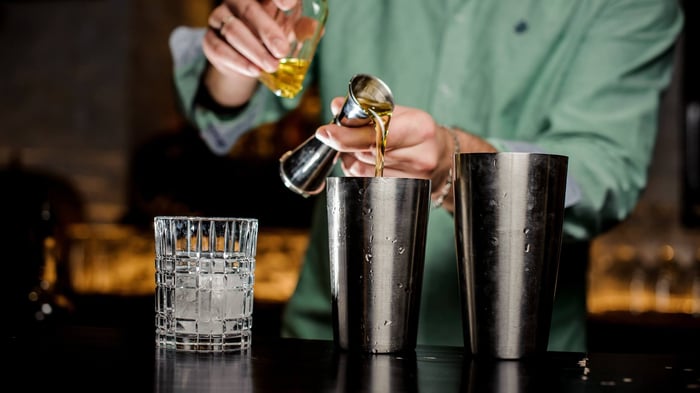
Professional bartenders use ratios as starting points for how to balance cocktails. The most common formula: 2 parts spirit, 1 part sweet, 1 part sour. This simple ratio forms the backbone of countless classic drinks.
Cocktail | Ratio | Build |
Margarita | 2:1:1 | 2oz tequila, 1oz lime, 1oz triple sec |
Daiquiri | 2:1:1 | 2oz rum, 1oz lime, 1oz simple syrup |
Whiskey Sour | 2:1:1 | 2oz bourbon, 1oz lemon, 1oz simple syrup |
When to adjust: The 2:1:1 ratio assumes standard-strength ingredients. If your citrus is particularly tart (like key lime), use slightly less. If your sweetener is less sweet than simple syrup (like honey or agave), you may need slightly more. The ratio gives you a reliable starting point—your taste buds tell you where to finish.
Mastering cocktail balance means knowing when to follow the classic rules and when to trust your palate and adjust.
How to Fix an Unbalanced Drink
One of the most valuable bartender secrets is knowing how to diagnose and fix a drink that's off. Here's the quick guide to troubleshooting:
- Too sweet? Add more citrus. A splash of fresh lemon or lime juice will cut through the sugar and bring things back toward center.
- Too sour? Add a touch more sweetener. Go slowly and taste as you go—it's always easier to add than subtract.
- Too boozy? Shake or stir longer to add dilution, or add a small splash of water. Dilution is an ingredient, not a mistake.
- Flat or boring? Try a few dashes of bitters. They add complexity and depth without fundamentally changing the flavor profile.
- Something's missing? A tiny pinch of salt can amplify flavors and bring everything into sharper focus—just like in cooking.
Classic Cocktails That Nail Balance
The reason classic cocktails endure is because their cocktail balance is bulletproof. Here's why these legendary drinks work so well:
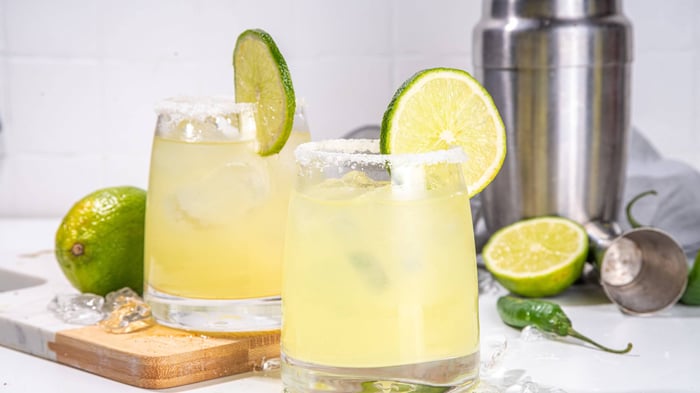
The Margarita: Tequila's earthiness meets the bright acidity of fresh lime and the subtle sweetness of orange liqueur. The salted rim adds a fifth dimension that suppresses bitterness and enhances every other flavor. It's a masterclass in balance.
The Negroni: Equal parts gin, Campari, and sweet vermouth. The assertive bitterness of Campari is balanced by the vermouth's sweetness and the gin's complex botanicals. Stirred (never shaken) for silky texture.
The Old Fashioned: Whiskey, a touch of sugar, bitters, and a bit of water. The simplest formula imaginable—yet it perfectly demonstrates how a small amount of sweetness and a few dashes of bitters can transform a spirit into something extraordinary.
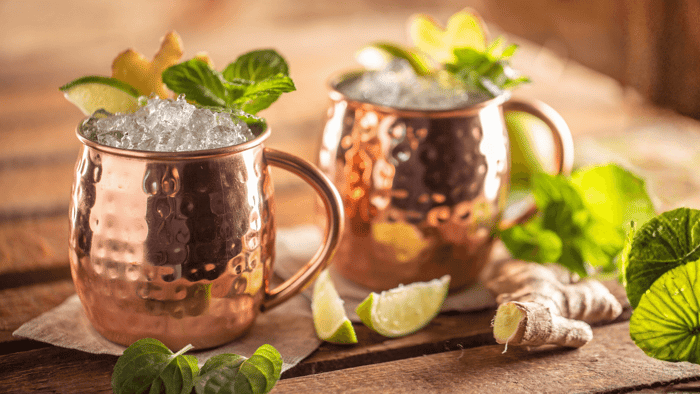
The Mojito: Rum, fresh lime, sugar, mint, and soda water. The mint adds aromatic freshness without acidity, the lime provides tartness, the sugar balances, and the soda lengthens and lightens. Every single element has a specific job to do.
FAQs About Cocktail Balance
What does cocktail balance mean?
Cocktail balance means no single flavor element dominates the drink. Sweet, sour, strong, and bitter components work together harmoniously so you can taste each element—not a sugar bomb or a face-puckering acid attack.
How do bartenders balance sweet and sour in cocktails?
Most professionals start with a 1:1 ratio of sweet to sour ingredients, then adjust based on taste. The key bartender secret: always taste before serving and make small adjustments to fine-tune the final result.
Why do some cocktails taste too sweet?
Usually because they use too much sweetener, not enough fresh citrus, or rely on pre-made sugary mixers. Proper cocktail flavor balance requires just enough sweetness to soften edges—never enough to mask poor ingredients or technique.
What's the standard cocktail ratio?
The classic "sour" ratio is 2:1:1—two parts spirit to one part sweet and one part sour. This foundational ratio works for margaritas, daiquiris, whiskey sours, sidecars, and dozens of other drinks.
How do I know if my cocktail is balanced?
Taste it thoughtfully. If you can identify each element without any one overwhelming the others—if the drink tastes complete, refreshing, and makes you want another sip—you've achieved proper cocktail balance.
Balance Is a Choice
The best drinks aren't the sweetest ones or the strongest ones. They're the ones where every element serves a clear purpose. Where nothing is missing and nothing overwhelms.
That's why understanding cocktail balance matters so much. It's not about following rules rigidly—it's about understanding why those rules exist so you can adjust with confidence. It's the difference between making drinks and truly crafting them.
Great cocktails don't happen by accident. They happen by design.
Ready to taste what real balance means? Explore Drizz Mixers →
FAQs
What does cocktail balance mean?
Cocktail balance means no single flavor dominates. Sweet, sour, strong, and bitter work together so you taste every element in harmony—not a sugar bomb or a face-puckering acid attack.
How do bartenders balance sweet and sour in cocktails?
Most start with a 1:1 ratio of sweet to sour ingredients, then adjust based on taste. The key bartender secret: always taste before serving and add small amounts to fine-tune.
Why do some cocktails taste too sweet?
Usually because they're using too much sweetener, not enough citrus, or relying on sugary mixers. Proper cocktail flavor balance uses just enough sweetness to soften edges—not mask poor ingredients.
What's the standard cocktail ratio?
The classic "sour" ratio is 2:1:1—two parts spirit to one part sweet and one part sour. This works for margaritas, daiquiris, whiskey sours, and dozens of other drinks.
How do I know if my cocktail is balanced?
Taste it. If you can identify each element without any one overwhelming the others—if it tastes complete, refreshing, and makes you want another sip—you've nailed it.