Table of Contents
- What is caffeine microdosing?
- What does the research actually say about low-dose caffeine?
- A can is a commitment. A squeeze is a decision.
- How Drizz turns caffeine into a dial
- How to think about smaller caffeine doses
- Who is caffeine microdosing for?
- The next energy drink may not be a drink at all
- Sources
- FAQs
Last updated October 5, 2026
Short answer: Caffeine microdosing is an informal term for taking smaller, measured amounts of caffeine instead of committing to one large serving. There is no official medical definition or universally recommended microdosing schedule, but controlled studies show that doses below a typical cup of coffee can affect alertness and performance in some settings. Drizz Energy Drops (also called caffeine drops) make that idea practical: a half squeeze contains approximately 32.5mg of caffeine, while a full squeeze contains 65mg, so you can choose the amount instead of letting a can choose it for you.
See the current Drizz Energy Drops formula and dosing guide.
For decades, energy has been sold as an object. A cup. A shot. A brightly colored can. Each one arrives with its own flavor, volume and fixed caffeine dose. Open it, and you have effectively accepted the whole package.
That format makes sense when you want the whole package. It makes less sense when what you really want is a modest amount of caffeine in the drink already on your desk.
This is where caffeine microdosing gets interesting. The term may sound borrowed from biohacking, but the useful idea underneath it is simple: treat caffeine as an amount you can adjust, not a beverage you have to finish. You do not always need a bigger can. Sometimes you need a dial.
What is caffeine microdosing?
Caffeine microdosing usually means consuming a smaller amount of caffeine at a time, often below the dose in a standard coffee or mainstream energy drink. Some people use the phrase for a single low dose. Others use it for several small doses spaced over a longer period.
There is an important caveat: “caffeine microdose” is not a standardized medical or regulatory term. There is no official number that turns a regular dose into a microdose, and no authoritative schedule that applies to everyone. Caffeine sensitivity, habitual use, body size, medications, health conditions and timing can all change how a given amount feels.
For this article, we use caffeine microdosing in the ordinary consumer sense: choosing a deliberately smaller, measurable serving rather than taking a large fixed dose by default.
That distinction matters. The goal is not to make tiny amounts sound magical. It is to make the amount visible and intentional.
Drizz Energy Drops – Unflavored Liquid Energy, Sugar-Free with L-Theanine, Taurine, and Caffeine from Green Tea
$12.99
$14.99
Drizz Unflavored Energy Drops are liquid energy drops, also called caffeine drops, that you add to water or soda. One squeeze is 4ml and 65mg of caffeine from green tea, plus L-theanine and taurine. No sugar, no added flavors, 15… read more

What does the research actually say about low-dose caffeine?
Low-dose caffeine has been studied, but the evidence does not support a universal “perfect microdose.” The best reading is more nuanced: relatively small amounts can produce measurable effects, especially in habitual caffeine users or under fatigue, while response varies substantially from person to person.
| Research | What was tested | What it found | What it does not prove |
|---|---|---|---|
| Smit and Rogers, 2000 | 0, 12.5, 25, 50 and 100mg of caffeine in adults with different habitual caffeine intakes | Doses in this range affected measures of performance, mood and thirst, with results influenced by habitual use | That one low dose works the same way for everyone |
| Wyatt and colleagues, 2004 | 0.3mg per kilogram of body weight every hour during unusually long, 28.57-hour wake periods | Repeated low doses reduced some wake-related performance declines and unintentional sleep onsets | That hourly dosing is appropriate for an ordinary workday; the laboratory conditions were extreme |
| Drake and colleagues, 2013 | A 400mg dose taken 0, 3 or 6 hours before bedtime | The substantial dose disrupted sleep even when taken six hours before bed | The exact bedtime cutoff for a smaller dose |
The Wyatt study is often cited as proof of caffeine microdosing. It is better understood as evidence that repeated low doses can influence alertness during severe, controlled sleep deprivation. The study included 16 healthy young men and used a schedule unlike normal daily life. It is relevant, but it is not a lifestyle prescription.
The Smit and Rogers study is closer to the everyday question. It tested doses as low as 12.5mg, yet also found that habitual caffeine intake affected the results. That is a useful reminder that dose is only one part of the equation. Your baseline matters, too.
A can is a commitment. A squeeze is a decision.
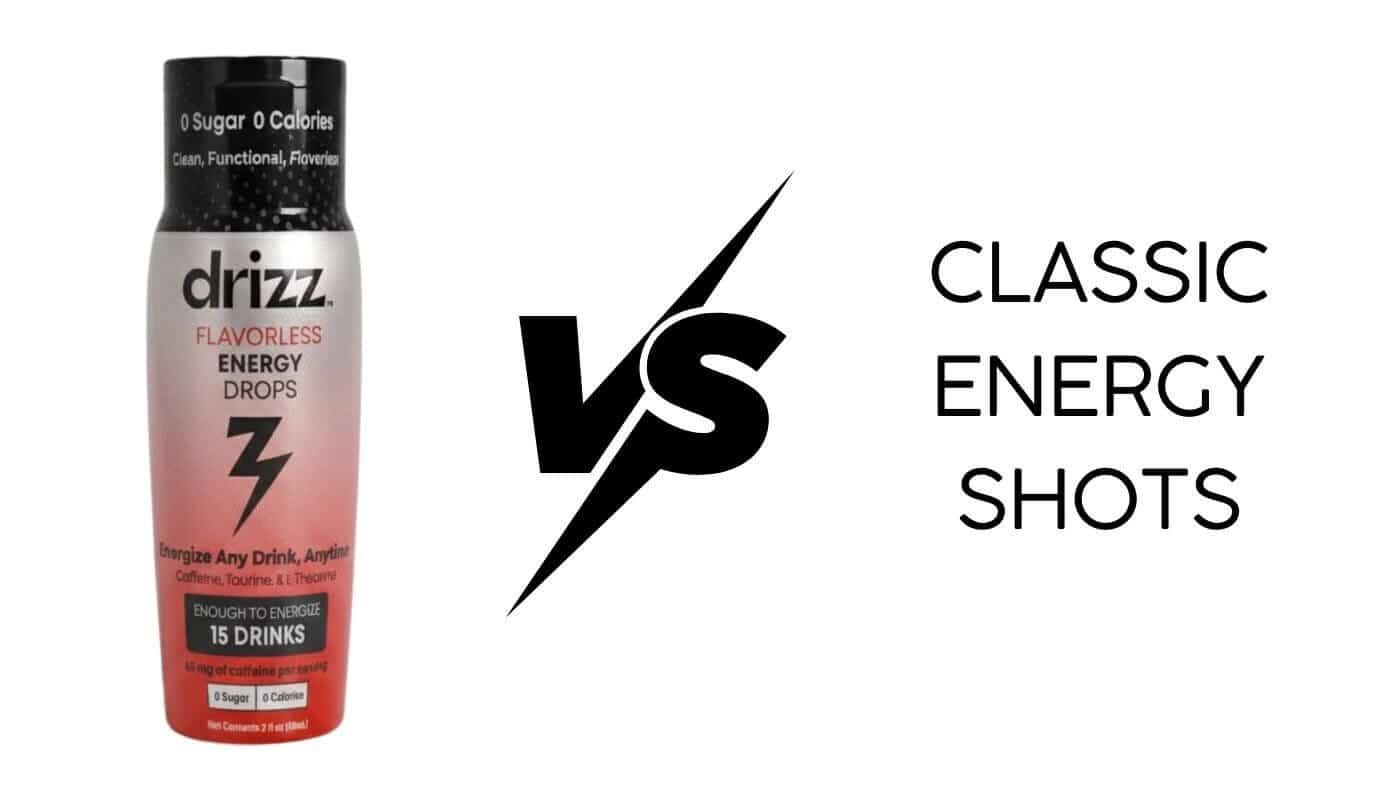
Most canned energy drinks solve for a specific product experience. The manufacturer chooses the flavor, serving size and caffeine amount. You can drink less than the full can, of course, but an open carbonated can is not exactly built for measuring, resealing and carrying forward to tomorrow.
Drizz starts with a different question: what if energy were an ingredient?
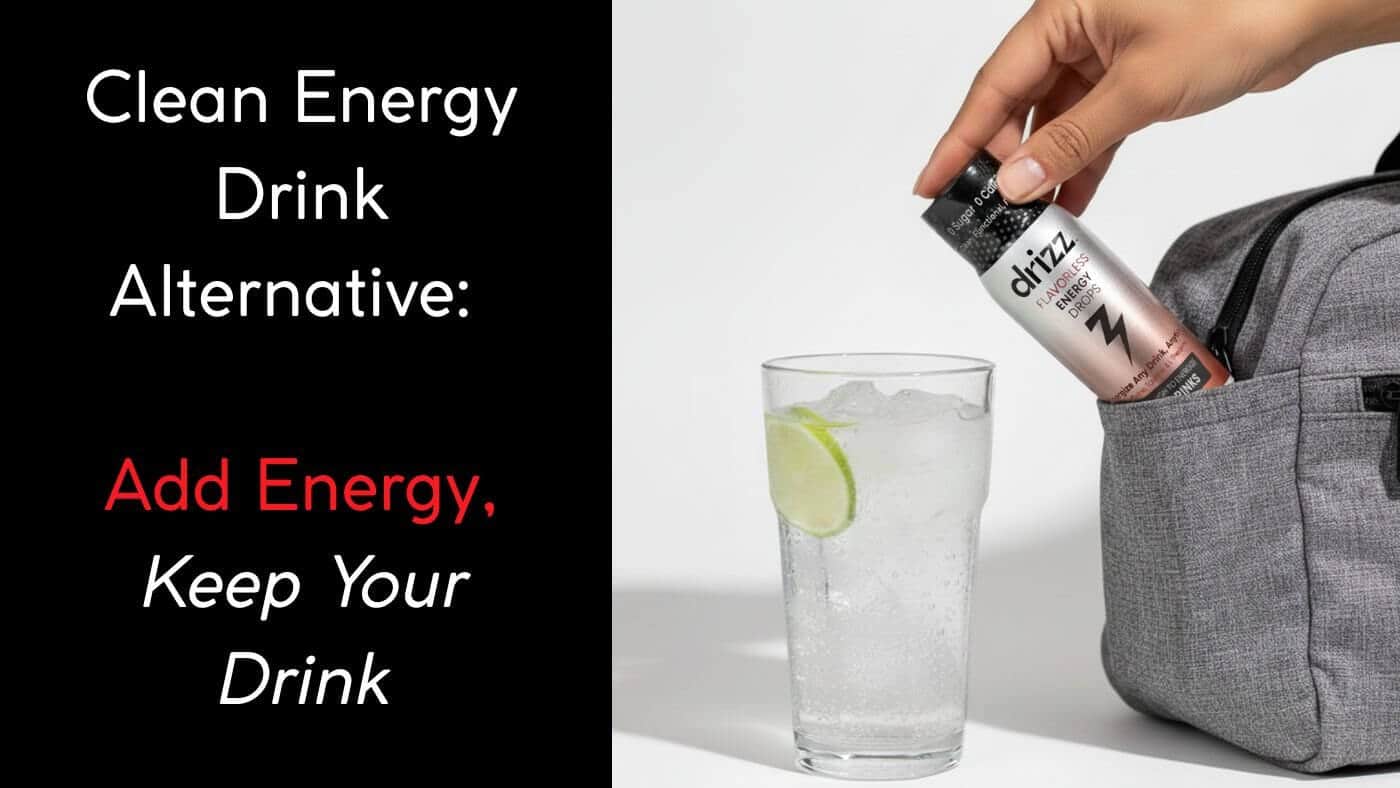
Drizz did not invent low-dose caffeine. What it brings to the front of the category is a practical format for controlling the serving. The formula goes into water, coffee, tea, sparkling water, juice, smoothies or another nonalcoholic drink you already enjoy. It is unflavored and virtually flavorless, with a faint clean sweetness in plain water. You choose the drink, then choose the dose.
That format changes the job of an energy product. Instead of replacing your beverage with a large can, it adds a measured amount of caffeine to the beverage already in your routine.
For more on that design choice, read why Drizz Energy Drops have no added flavor and our guide to choosing a clean energy drink alternative.
How Drizz turns caffeine into a dial
The current Drizz label lists 65mg of caffeine from green tea extract per full 4ml squeeze. The bottle's dosing guide also gives approximate amounts for a half squeeze and two squeezes.
| Drizz amount | Approximate caffeine | What it offers |
|---|---|---|
| Half squeeze (2ml) | 32.5mg | A smaller measured option below a full serving |
| One squeeze (4ml) | 65mg | The labeled single serving |
| Two squeezes (8ml) | 130mg | A larger amount that should be counted toward total daily intake |
A half squeeze is not an official “microdose.” No such official threshold exists. It is simply a smaller option that makes the concept tangible. Someone who does not want a high-caffeine can can start with less, while someone who wants the labeled serving can take one full squeeze.
The formula also contains L-Theanine and taurine. Those ingredients do not make caffeine risk-free, and they do not guarantee the absence of jitters or a crash. Readers interested in the research behind one part of the formula can see our separate guide to L-Theanine and caffeine.
How to think about smaller caffeine doses
Caffeine microdosing is most useful as a decision framework, not a rigid protocol. These principles keep the idea grounded.
1. Count the caffeine you already consume
Coffee, tea, soda, chocolate, pre-workout products, supplements and some medications can all contribute caffeine. A smaller Drizz serving is still additional caffeine. The relevant number is the daily total, not the amount from one product viewed in isolation.
2. Choose an amount before you feel rushed
A fixed can encourages a binary decision: drink it or do not. An adjustable format creates a better question: how much do I actually want right now? Starting with a smaller amount can help you avoid treating the largest available serving as the automatic one.
3. Give a dose time before adding more
Caffeine is not a volume knob that responds the moment you turn it. Taking another serving immediately because the first has not registered can turn a small-dose approach into a large total surprisingly quickly.
4. Treat timing as seriously as amount
Caffeine can remain in the body for hours, and individual metabolism varies. In the Drake study, a large 400mg dose disrupted sleep even six hours before bedtime. That experiment does not establish the cutoff for a 32.5mg or 65mg serving, but it does show why “less” and “late” are separate decisions.
5. Do not treat 400mg as a target
The FDA cites 400mg per day as an amount not generally associated with negative effects for most adults. That is broad population guidance, not a goal, guarantee or personalized limit. The FDA also notes that sensitivity and the amount considered “too much” vary.
6. Know when general advice is not enough
People who are pregnant, breastfeeding, sensitive to caffeine, taking medications or managing a health condition should ask a qualified healthcare professional what is appropriate for them. Children and teenagers should not use this article as dosing guidance.
Who is caffeine microdosing for?
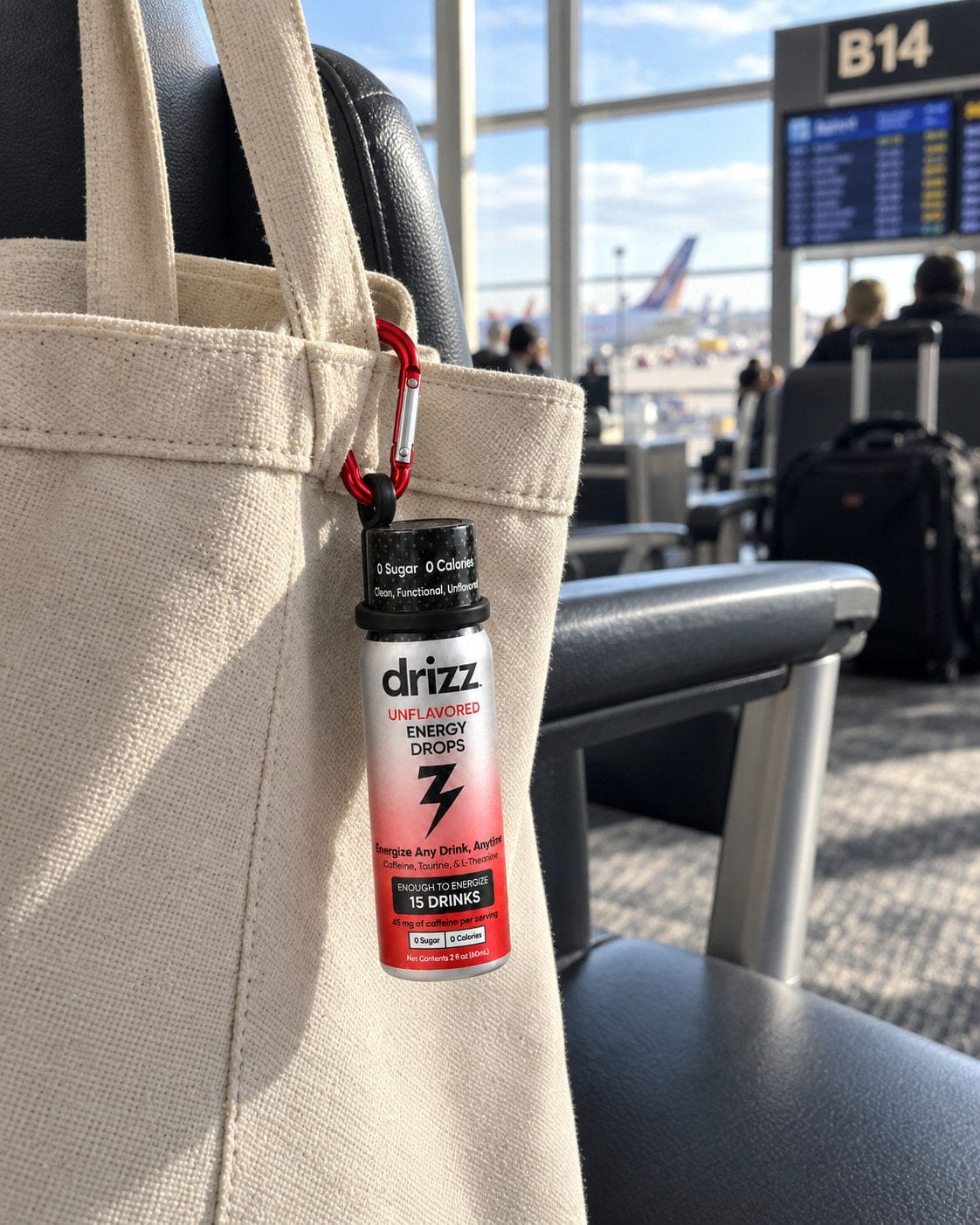
The idea may appeal to people who like caffeine but dislike all-or-nothing formats. That includes someone who wants a modest afternoon amount, a commuter who already carries water, a traveler avoiding another bulky beverage, or a worker who wants to know how much caffeine went into the cup.
It may also suit people who care more about control than spectacle. Traditional energy branding often celebrates maximum intensity. Caffeine microdosing asks a quieter question: what is the smallest useful amount for this moment?
That does not make a smaller dose inherently better. Some people will prefer coffee. Others will want a full canned drink and its flavor. Some will skip caffeine entirely. The innovation is not that everyone should consume caffeine the same way. It is that the format can finally make room for different answers.
The next energy drink may not be a drink at all
The most interesting thing about caffeine microdosing is not the word microdosing. It is the shift from consumption by package to consumption by choice.
A can says: this is the drink, this is the flavor, and this is the dose.
Drizz says: keep your drink and choose your dose.
That is a different model of energy. It can be 32.5mg in a water bottle, 65mg in an iced coffee, or no caffeine at all when the day does not call for it. Drizz is helping lead that format forward by making energy adjustable, portable and compatible with the drinks people already choose.
Explore Drizz Energy Drops and the current dosing guide.
Sources
- U.S. Food and Drug Administration: Spilling the Beans, How Much Caffeine Is Too Much? Accessed October 5, 2026.
- Smit HJ, Rogers PJ. Effects of low doses of caffeine on cognitive performance, mood and thirst in low and higher caffeine consumers. Psychopharmacology. 2000.
- Wyatt JK et al. Low-dose repeated caffeine administration for circadian-phase-dependent performance degradation during extended wakefulness. Sleep. 2004.
- Drake C et al. Caffeine effects on sleep taken 0, 3, or 6 hours before going to bed. Journal of Clinical Sleep Medicine. 2013.
- Drizz Energy Drops product label and dosing guide. Checked October 5, 2026.
This article is for general informational purposes and is not medical advice. Caffeine affects people differently. Follow the product label and speak with a qualified healthcare professional about individual concerns.