Table of Contents
- The Pirate Origins of Mojito History: El Draque and 1586
- Cuban Mojito History: From Medicine to Cocktail
- Hemingway Mojito: Myth, Legend, and La Bodeguita
- Global Fame: How the Mojito Conquered the World
- The Mojito's Key Ingredients and Their Roles
- Mojito History Timeline: From 1586 to Today
- Mojito History: From Pirate Medicine to Global Icon
- FAQs
Mojito history begins in 1586, when Sir Francis Drake's crew used a crude sugarcane spirit, lime, and mint as medicine near Havana — creating the earliest ancestor of the drink we'd eventually call the mojito. Over 400 years it evolved from Cuban folk remedy to the world's most recognizable cocktail. Today, Drizz Mojito Drops let you make a perfect mojito in seconds, no muddling required.
The mojito history reads like an adventure novel. It begins with pirates treating dying sailors off the coast of Havana. It winds through colonial Cuba, past sugar plantations and independence wars. It pauses in smoky Havana bars where a famous American writer may or may not have scribbled a now-legendary quote on the wall. And it ends with one of the most beloved cocktails on earth.
The mojito isn't just a drink. It's a 400-year journey from medicine to icon — a story of survival, cultural exchange, literary mythology, and the enduring appeal of rum, lime, mint, and sugar.
Every great cocktail has a story. The mojito has an entire adventure.
The Pirate Origins of Mojito History: El Draque and 1586
To understand the mojito origin, you have to go back to 1586 and a man the Spanish called "El Draque" — the Dragon. His English name was Sir Francis Drake, and depending on who you ask, he was either a celebrated explorer or a ruthless pirate.
Drake was sailing near Havana with a fleet of ships heavy with plundered Spanish treasure when disaster struck: his crew fell gravely ill with scurvy and dysentery. Desperate for a remedy, Drake sent men ashore to seek help from the local Taíno and Ciboney peoples.
What they brought back would become the earliest ancestor of the mojito: a medicinal concoction combining aguardiente (a crude sugarcane spirit), fresh lime juice, mint leaves, and sugarcane juice. Each ingredient served a purpose. The lime fought scurvy. The mint settled the stomach. The aguardiente made it all go down easier — and was safer to drink than the contaminated water aboard ships.
The drink worked. Drake's men recovered, and the elixir became known as "El Draque" in honor — or mockery — of the pirate who needed it.
This wasn't a cocktail yet — it was medicine. But the combination of rum, lime, mint, and sugar was born. The mojito history had officially begun.
Cuban Mojito History: From Medicine to Cocktail
For the next two centuries, the Draque remained a folk remedy in Cuba — something farmers and plantation workers drank to ward off illness and endure the tropical heat. The Cuban mojito history during this period is tied closely to the island's sugar plantations and the enslaved Africans who worked them.
Some historians trace the name "mojito" to "mojo," a Cuban citrus-based sauce. Others suggest it comes from "mojadito," Spanish for "a little wet." Either way, the drink evolved alongside Cuba itself.
The transformation from medicine to proper cocktail happened in the mid-1800s when Cuban rum production improved dramatically. In 1862, Don Facundo Bacardí Massó founded the Bacardi Company and pioneered a smoother, more refined rum. Almost immediately, the rough aguardiente in the old Draque was swapped out for this better spirit.
As one Cuban writer noted in 1940: "When aguardiente was replaced with rum, the Drake was to be called a Mojito."
By the late 1800s and early 1900s, the mojito had become a staple of Havana's bars and social clubs. Tourists — especially wealthy Americans escaping the cold — couldn't get enough.
Hemingway Mojito: Myth, Legend, and La Bodeguita
No conversation about mojito history is complete without mentioning Ernest Hemingway — even if his connection to the drink is more complicated than the legend suggests.
Hemingway lived in Cuba on and off from 1939 to 1960, writing some of his most celebrated works there, including The Old Man and the Sea. He was a fixture at Havana's bars, and one establishment in particular — La Bodeguita del Medio — claims the writer as its most famous patron.
On the wall of La Bodeguita hangs a framed note, supposedly written and signed by Hemingway himself: "My mojito in La Bodeguita, my daiquiri in El Floridita."
It's a perfect piece of Hemingway mojito mythology. There's just one problem: there's no real proof he wrote it.
Hemingway biographer Philip Greene spent years researching the author's drinking habits and found no mention of mojitos or La Bodeguita in any of Hemingway's letters, notebooks, or published works. The bar's founder himself reportedly said Hemingway wasn't a regular. The famous quote? Possibly a clever marketing invention.
Does it matter if the legend is true? The Hemingway mojito story did what all great myths do: it made the drink more interesting. And millions of tourists have made the pilgrimage to La Bodeguita because of it.
Global Fame: How the Mojito Conquered the World
The mojito might have stayed a Cuban specialty if not for two things: Prohibition and the Cuban Revolution.
During American Prohibition (1920–1933), Cuba became the go-to destination for thirsty Americans who wanted to drink legally. Havana's bars boomed, and visitors brought the mojito back with them — at least in memory, if not in recipe.
Then came the Cuban Revolution in 1959. As Cubans emigrated to Miami, Mexico, and beyond, they took their cocktail culture with them. The mojito origin story became a piece of diaspora identity — a taste of home that traveled.
By the late 20th century, the mojito had become one of the most popular cocktails in the world. A 2016 survey found it was the most ordered cocktail in both Britain and France. It appears on virtually every bar menu on earth.
What makes the mojito so enduring? The same thing that made it work in 1586: rum's warmth, lime's brightness, mint's cool freshness, and just enough sweetness to balance it all. It's simple. It's refreshing. And unlike the Hemingway mojito legend, that reputation is completely earned.
The Mojito's Key Ingredients and Their Roles
| Ingredient | Original Purpose (1586) | Role in the Modern Mojito |
|---|---|---|
| Aguardiente / Rum | Safer than contaminated water | Base spirit — warmth and body |
| Lime juice | Treated scurvy in sailors | Brightness and acidity |
| Mint | Settled the stomach | Cooling freshness |
| Sugar / sugarcane | Balanced bitterness | Sweetness and balance |
| Soda water | Not in original recipe | Effervescence — the modern finish |
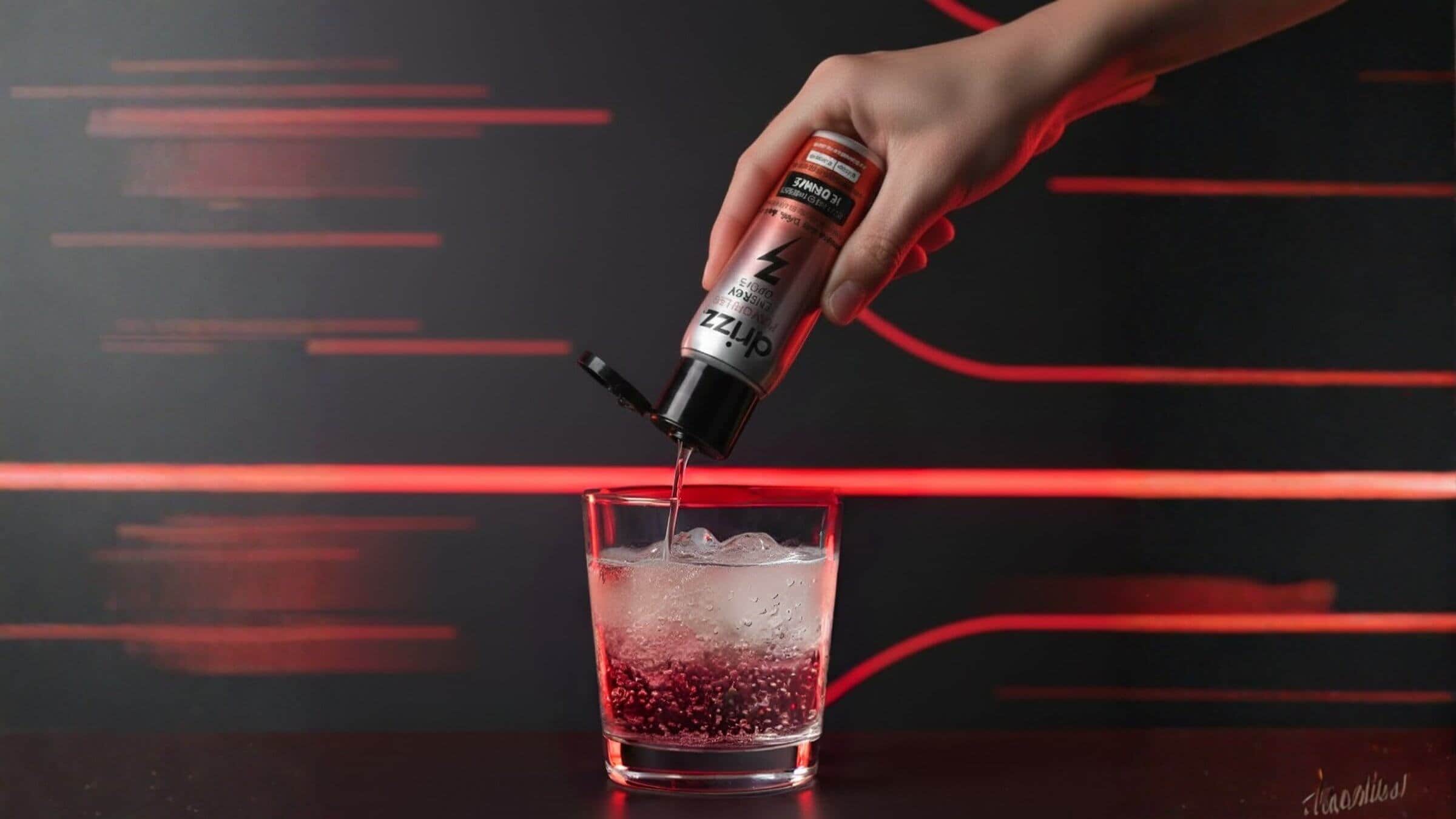
| Drizz Mojito Drops | — | All of the above in a 2oz bottle, 30 cocktails |
Mojito History Timeline: From 1586 to Today
- 1586: Sir Francis Drake's crew creates "El Draque" near Havana — the mojito's earliest ancestor
- 1600s–1800s: The drink evolves as a folk remedy on Cuban plantations
- 1862: Bacardi founded; refined rum replaces aguardiente, and "El Draque" becomes the "Mojito"
- 1920s–1930s: Prohibition drives Americans to Cuba; mojito popularity grows among tourists
- 1927: First written mojito recipe appears as "Mojo Criollo" in a Cuban cocktail book
- 1942: La Bodeguita del Medio opens in Havana, later claiming the famous Hemingway connection
- 1959: Cuban Revolution; emigrating Cubans spread the mojito worldwide
- 2000s–Present: The mojito becomes one of the world's most popular cocktails
Drizz Mojito Mixer Drops, Zero Sugar Cocktail and Mocktail Mix, 30 Drinks per Bottle
$12.99
$14.99
Drizz Mojito Mixer Drops: fresh mint and zesty lime in a pocket-sized squeeze bottle. Zero sugar, zero calories, 30 drinks per bottle. Cocktail or mocktail, same bottle. One squeeze turns sparkling water into a mojito. No muddler, no mint leaves,… read more

Mojito History: From Pirate Medicine to Global Icon
The mojito history is a reminder that great cocktails don't appear out of nowhere. They evolve. They absorb the cultures and circumstances that shape them. They carry stories across centuries.
A pirate's desperate remedy became a plantation worker's respite. A folk drink became a refined cocktail. A Cuban mojito history became a global phenomenon. And somewhere along the way, a writer may or may not have scribbled something on a wall that would make millions of tourists order the same drink.
That's the thing about legends: they don't have to be perfectly true to be perfectly meaningful.
Want to skip the muddling and make a perfect mojito anywhere? Drizz Mojito Drops pack the classic flavor profile into a 2oz bottle — 30 cocktails, zero prep, no bar setup required. They're a favorite for camping cocktails and travel for the same reason the mojito survived 400 years: portability wins.
What is the origin of the mojito?
The mojito origin traces to 1586, when Sir Francis Drake's crew created a medicinal drink called "El Draque" near Havana — combining aguardiente (crude rum), lime, mint, and sugarcane juice to treat scurvy and dysentery. Over the following centuries, the recipe evolved, aguardiente was replaced with refined Cuban rum, and by the 1800s the mojito as we know it was born.
Did Hemingway actually drink mojitos at La Bodeguita?
The famous quote — "My mojito in La Bodeguita, my daiquiri in El Floridita" — supposedly signed by Hemingway, hangs on the bar's wall. But Hemingway biographer Philip Greene found no evidence Hemingway was a regular at La Bodeguita, and the quote doesn't appear in any of his writings. Most historians believe it's a marketing myth — though a brilliantly effective one.
What does "mojito" mean?
The word "mojito" most likely comes from "mojadito," a Spanish diminutive meaning "a little wet." Some historians also link it to "mojo," a Cuban citrus-based sauce used by enslaved Africans on the island's sugar plantations. Either etymology ties the drink firmly to Cuban culture and language.
Why did the mojito become so popular worldwide?
The mojito spread globally through two key moments: American Prohibition (1920–1933), which sent thirsty tourists flooding into Havana's bars, and the Cuban Revolution (1959), which scattered Cuban emigres — and their cocktail culture — across the Americas and Europe. By the 2000s it was the most ordered cocktail in several countries. Its enduring appeal comes down to balance: rum, lime, mint, and sweetness is a combination that works everywhere.
How do you make a mojito without muddling?
The quickest way is Drizz Mojito Drops — a concentrated cocktail mixer that captures the classic mojito flavor profile in a 2oz bottle. Add a squeeze to rum and soda water, no muddling, no fresh mint prep, no mess. One bottle makes 30 cocktails. If you prefer traditional: combine 2oz white rum, 1oz fresh lime juice, 2 teaspoons sugar, 6–8 fresh mint leaves (lightly pressed), and 2oz soda water over ice.
FAQs
Where was the mojito invented?
The mojito origin traces back to Cuba, specifically near Havana. Its earliest ancestor, "El Draque," was created in 1586. The modern mojito evolved in Cuban bars during the 19th and early 20th centuries.
Did Hemingway really drink mojitos at La Bodeguita?
The famous Hemingway mojito connection is disputed. While the quote on La Bodeguita's wall is attributed to him, no evidence in his writings confirms he frequented the bar or particularly loved mojitos. He was, however, documented as a regular at El Floridita for daiquiris.
What does "mojito" mean?
The name likely comes from "mojo" (a Cuban citrus sauce) or "mojadito" (Spanish for "a little wet"). Both theories connect to the drink's citrus-forward, refreshing character.
Why was the original drink called El Draque?
"El Draque" was the Spanish nickname for Sir Francis Drake. Since the drink was created to cure his sick crew in 1586, it became associated with the infamous English privateer. The Spanish didn't exactly love Drake, so naming a folk remedy after him may have been part tribute, part mockery.
What makes a mojito different from other rum cocktails?
The mojito's signature is fresh mint, muddled (not blended) with lime and sugar before adding rum and soda water. This combination of herbal freshness, citrus brightness, and rum warmth sets it apart from drinks like the daiquiri (no mint) or the Cuba Libre (cola instead of soda).