Table of Contents
- What Does Caffeine Actually Do for Triathletes?
- How Much Caffeine Should Triathletes Take?
- When to Take Caffeine During a Triathlon
- Caffeine Sources for Triathlon: Pros and Cons
- The GI Problem: Why Caffeine Delivery Matters
- The Drizz Approach: Caffeine That Works With Your System
- Sample Triathlon Caffeine Strategy Plans by Distance
- The Bottom Line
- FAQs
A triathlon caffeine strategy involves taking 3-6mg of caffeine per kg of bodyweight, timed strategically across swim, bike, and run. Research shows caffeine improves endurance performance by 2-4% by reducing perceived exertion and enhancing fat oxidation. The key is proper timing — caffeine peaks 45-60 minutes after consumption — and choosing a delivery method that won't trigger GI distress during racing.
Caffeine is one of the most researched and proven performance enhancers for endurance athletes. For triathletes specifically, a well-executed triathlon caffeine strategy can mean the difference between hitting the wall on the run and finishing strong through the chute.
But here's the problem: most triathletes either skip caffeine entirely, take too much too early, or choose delivery methods that wreck their stomachs by mile 10 of the marathon. In this guide, we'll break down exactly when to take caffeine, how much you need based on your bodyweight, and which sources actually work during 70.3 and Ironman racing — without the GI drama. Consider this your complete triathlon caffeine strategy playbook.
What Does Caffeine Actually Do for Triathletes?
Caffeine isn't just about feeling more awake. For endurance athletes, it triggers several physiological changes that directly improve performance.
The science is clear: caffeine reduces your perception of effort, meaning the same pace feels easier. It also enhances your body's ability to burn fat for fuel, which helps spare your limited glycogen stores for when you really need them — like the back half of an Ironman marathon.
Here's what research shows caffeine does for endurance performance:
| Benefit | What It Means for Racing |
|---|---|
| Reduces perceived exertion | Same effort feels 5-6% easier |
| Improves endurance by 2-4% | Could mean 5-15 minutes on an Ironman |
| Enhances fat oxidation | Spares glycogen for late-race efforts |
| Increases alertness and focus | Better pacing decisions, cleaner transitions |
| Improves reaction time | Helpful for technical descents and crowded aid stations |
A landmark study published in the International Journal of Sport Nutrition and Exercise Metabolism found that triathletes who used caffeine strategically improved their Olympic-distance performance compared to placebo groups. Similar results have been replicated across cycling, running, and swimming studies.
The bottom line: caffeine works. The question is how to build a triathlon caffeine strategy that maximizes benefits while minimizing risks.
How Much Caffeine Should Triathletes Take?
Getting your dosing right is the foundation of any effective triathlon caffeine strategy. The research consensus points to a sweet spot: 3-6mg of caffeine per kilogram of bodyweight for optimal endurance benefits.
Less than 3mg/kg and you likely won't see meaningful performance improvements. More than 6mg/kg and you risk diminishing returns plus unpleasant side effects — jitters, anxiety, increased heart rate, and GI distress.
Here's a quick reference for caffeine dosing based on bodyweight:
| Body Weight | Low Dose (3mg/kg) | Optimal (4-5mg/kg) | High Dose (6mg/kg) |
|---|---|---|---|
| 55kg / 121lb | 165mg | 220-275mg | 330mg |
| 65kg / 143lb | 195mg | 260-325mg | 390mg |
| 70kg / 154lb | 210mg | 280-350mg | 420mg |
| 80kg / 176lb | 240mg | 320-400mg | 480mg |
| 90kg / 198lb | 270mg | 360-450mg | 540mg |
Important: These are total race doses, not single servings. For long-course triathlon, you'll spread this across multiple intake points throughout the race rather than consuming it all at once.
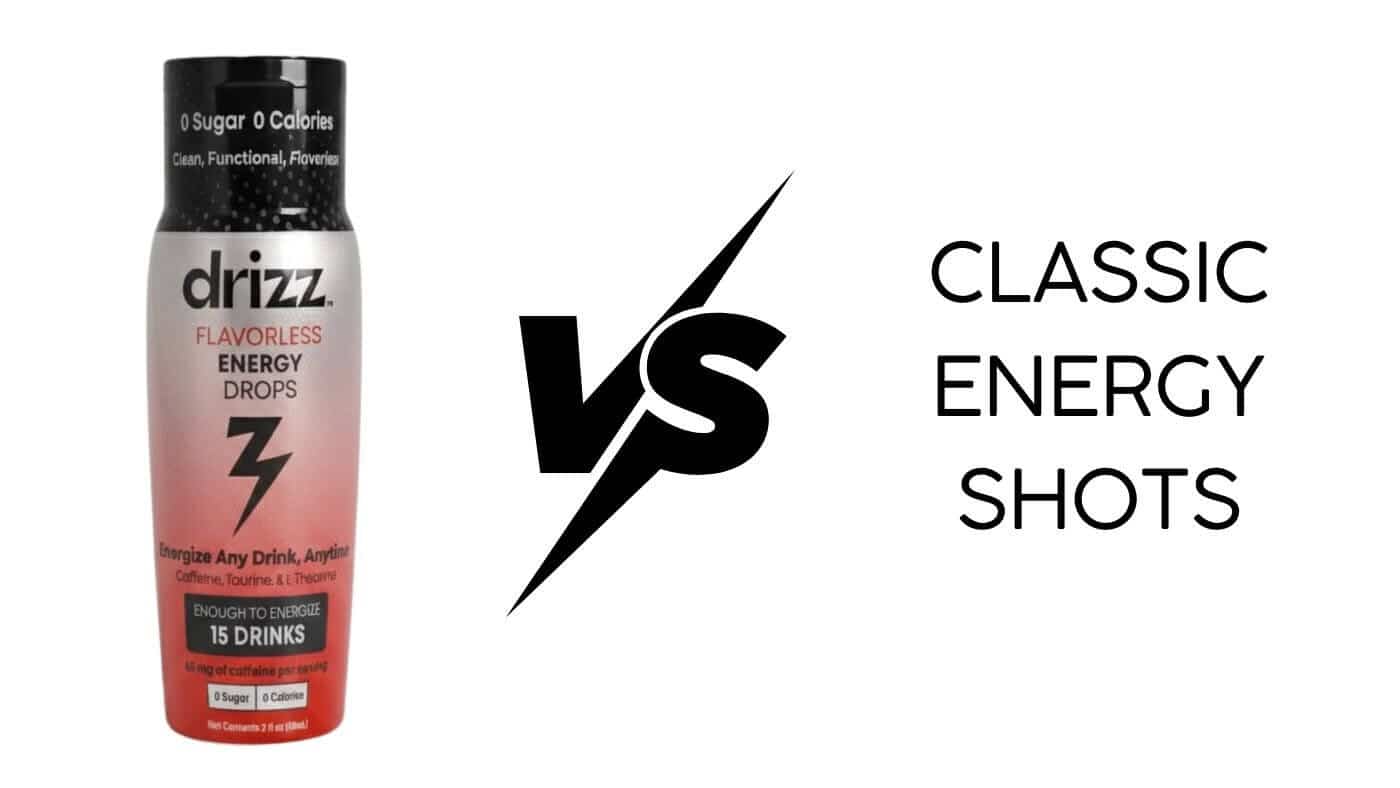
For context, a shot of espresso contains roughly 63mg of caffeine. A standard caffeinated gel has 25-50mg. Drizz Energy Drops contain 65mg per squeeze — about the same as espresso but without the sugar or GI triggers.
Individual Variation Matters
Some athletes are "fast metabolizers" who process caffeine quickly and may need slightly higher doses or more frequent intake. Others are "slow metabolizers" who feel the effects longer and should be more conservative.
If you regularly consume caffeine (daily coffee drinker), you may have some tolerance built up. Consider reducing caffeine intake by 50% for 3-5 days before a key race to restore sensitivity — but be aware this can cause temporary withdrawal headaches.
When to Take Caffeine During a Triathlon
Timing is everything with caffeine — and it's where most athletes get their triathlon caffeine strategy wrong. Caffeine takes 45-60 minutes to reach peak concentration in your bloodstream, and it has a half-life of about 4-5 hours for most people.
This means if you want caffeine working during the run, you need to take it mid-bike — not at T2.
Caffeine Timing for 70.3 (Half Ironman)
A 70.3 typically takes 4-7 hours depending on your fitness level. Proper 70.3 caffeine timing looks like this:
| Timing | When | Dose | Purpose |
|---|---|---|---|
| Pre-Race | 45-60 min before swim start | 50-100mg | Peaks during bike leg |
| Mid-Bike | Hour 2-3 of the bike | 50-75mg | Peaks for the run |
| T2 / Early Run | Optional | 25-50mg | Late-race mental boost |
Total: 125-225mg (adjust based on bodyweight and tolerance)
Caffeine Timing for Ironman (Full Distance)
An Ironman takes 8-17 hours. Your Ironman caffeine protocol needs to account for the longer duration with more frequent dosing:
| Timing | When | Dose | Purpose |
|---|---|---|---|
| Pre-Race | 45-60 min before swim start | 50-100mg | Alertness for swim, peaks early bike |
| Early Bike | Hour 2-3 | 50-75mg | Sustained bike energy |
| Mid-Bike | Hour 4-5 | 50-75mg | Peaks for late bike / early run |
| T2 | Bike-to-run transition | 50-75mg | Run leg boost |
| Mid-Run | Mile 13-18 (optional) | 25-50mg | Fight the Ironman shuffle |
Total: 225-375mg (higher end of the range for longer finishing times)
The Key Principle: Anticipate, Don't React
Don't wait until you feel tired to take caffeine. By then, you're 45-60 minutes behind. Plan your intake based on when you want the caffeine to peak, not when you start feeling fatigued. This principle is central to any effective triathlon caffeine strategy.
Caffeine Sources for Triathlon: Pros and Cons
Not all caffeine is created equal — especially when you're 8 hours into an Ironman and your gut is already stressed. Understanding your caffeine for triathlon options helps you make smarter choices.
Here's how the main caffeine delivery methods stack up:
Coffee
| Pros | Cons |
|---|---|
| Familiar ritual | Unreliable caffeine content (varies by brew) |
| Widely available pre-race | Can trigger urgent bowel movements |
| Natural source | Impractical during racing |
| Acidic — can cause stomach upset |
Best for: Pre-race only, if you tolerate it well
Caffeinated Gels
| Pros | Cons |
|---|---|
| Convenient, portable | High GI distress risk (concentrated sugar) |
| Combines carbs + caffeine | Fixed dose — no flexibility |
| Familiar to most triathletes | Sticky, messy wrappers |
| Requires water to digest properly |
Best for: Athletes with iron stomachs who've tested extensively in training
Caffeine Pills / Tablets
| Pros | Cons |
|---|---|
| Precise dosing | No L-theanine (can cause jitters) |
| Cheap | Fixed large doses (often 100-200mg) |
| No taste | Slower absorption than liquid |
| Easy to carry | Easy to over-consume |
Best for: Athletes who tolerate caffeine well and want simplicity
Liquid Caffeine Drops (like Drizz)
| Pros | Cons |
|---|---|
| Controllable dose (squeeze less or more) | Requires a drink to add to |
| Zero sugar = zero GI risk | Less familiar to some athletes |
| Mixes into any hydration system | |
| L-theanine smooths jitters | |
| Fast absorption |
Best for: GI-sensitive athletes, strategic dosers, anyone using existing hydration systems
For a deeper look at why we designed our energy formula without flavor, read Why Our Energy Drops Have No Flavor (On Purpose).
Drizz Energy Drops – Unflavored Liquid Energy, Sugar-Free with L-Theanine, Taurine, and Caffeine from Green Tea
$12.99
$14.99
Drizz Unflavored Energy Drops are liquid energy drops, also called caffeine drops, that you add to water or soda. One squeeze is 4ml and 65mg of caffeine from green tea, plus L-theanine and taurine. No sugar, no added flavors, 15… read more

The GI Problem: Why Caffeine Delivery Matters
A smart triathlon caffeine strategy accounts for GI risk, not just performance gains. Here's a stat that should concern every triathlete: 30-90% of long-course triathletes experience GI distress during racing, depending on the study and conditions. GI issues are one of the leading causes of DNFs and blown race times.
Your gut receives significantly less blood flow during exercise — your body diverts blood to working muscles instead. This means your stomach struggles to digest anything, especially concentrated products.
Caffeinated gels compound the problem:
- Concentrated sugar creates osmolality issues — your gut pulls water from your body to dilute the gel, which can cause cramping and bloating
- Requires additional water to digest properly, which many athletes forget in the chaos of racing
- Adds GI stress on top of already-stressed digestive system
By the run leg, your gut has been under assault for hours. The last thing it needs is another thick, sugary gel.
Zero-sugar liquid caffeine eliminates these risk factors. There's no concentrated sugar to cause osmolality problems, no thick texture to sit in your stomach, and it mixes seamlessly into whatever you're already drinking.
The Drizz Approach: Caffeine That Works With Your System
Most triathletes have a hydration system they trust — Maurten, Precision Fuel & Hydration, Skratch, Tailwind, or simply water and electrolytes. The last thing you want is to introduce new variables on race day.
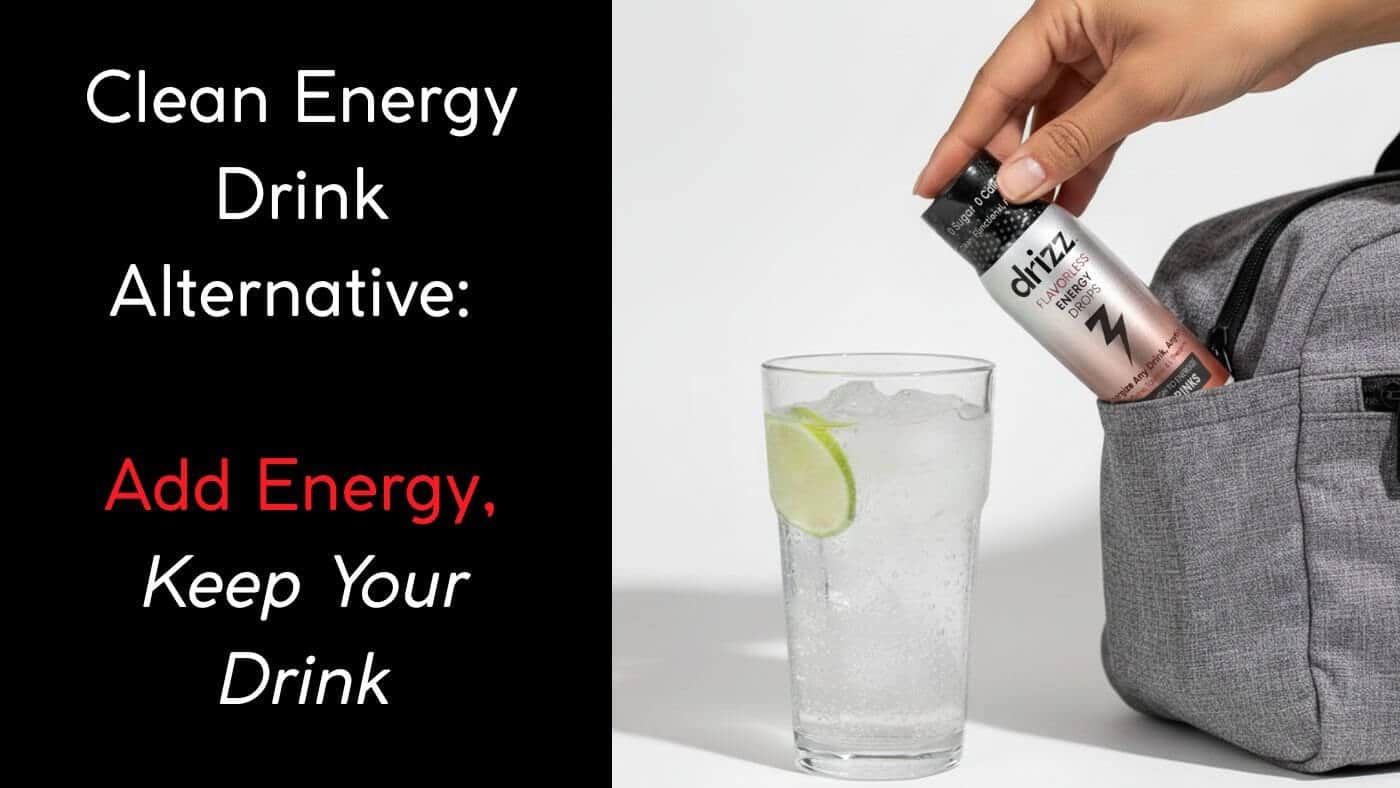
Drizz Energy Drops are designed to work with your existing plan, not replace it:
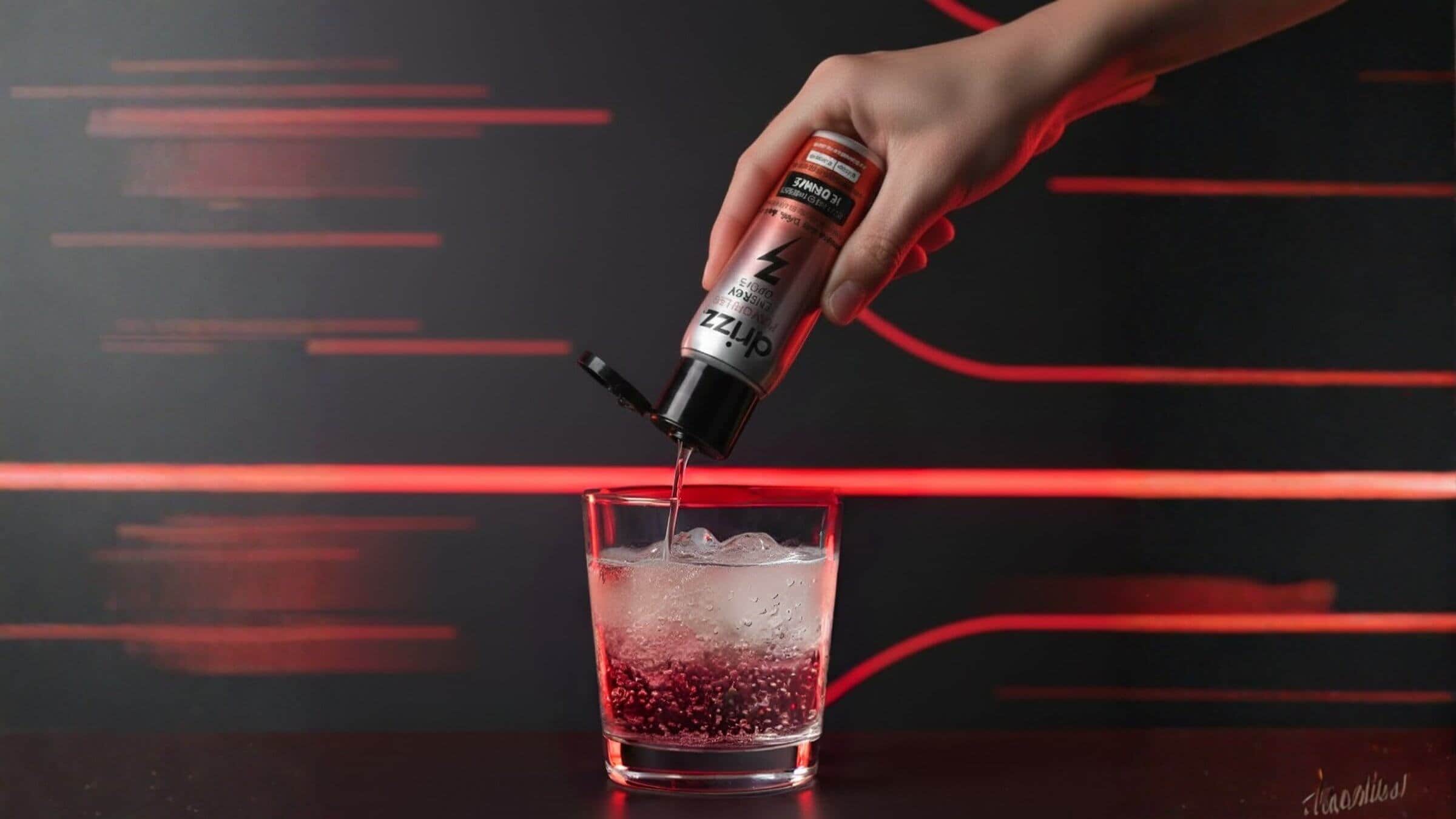
- Add to any drink — your aero bottle, BTA hydration, handheld flask, or whatever's in your special needs bag
- Control your dose — half a squeeze (30mg) for maintenance, full squeeze (65mg) for a solid boost, two squeezes (130mg) for late-race push
- Zero sugar — eliminates the GI risk that comes with caffeinated gels
- L-theanine included — smooths out caffeine's jittery edges so you stay calm in the aero bars and focused on the run
The formula is simple: caffeine for the performance benefits, L-theanine for the smooth delivery, taurine for sustained mental clarity. That's it. No sugar, no complicated carb ratios, no new system to learn.
One 2oz bottle gives you 15 servings — enough to cover multiple races or an entire Ironman with doses to spare.
Sample Triathlon Caffeine Strategy Plans by Distance
Here are complete triathlon caffeine strategy protocols you can adapt for your racing:
Sprint / Olympic Distance (1-3 hours)
For shorter races, front-loading caffeine is most effective since the race may be over before a mid-race dose peaks.
| Timing | Dose | Notes |
|---|---|---|
| 45-60 min pre-race | 100-150mg | Full dose before start |
| Mid-bike (optional) | 30-50mg | Only if race is 2.5+ hours |
Total: 100-200mg
70.3 / Half Ironman (4-7 hours)
| Timing | Dose | Method |
|---|---|---|
| Race morning (with breakfast) | 50mg | Coffee or half squeeze Drizz |
| 30 min pre-swim | 50mg | Half squeeze in pre-race drink |
| Bike hour 2 | 65mg | Full squeeze in aero bottle |
| T2 | 30-65mg | Half to full squeeze in run flask |
Total: 195-230mg — adjust up or down based on bodyweight
Ironman / Full Distance (8-17 hours)
| Timing | Dose | Method |
|---|---|---|
| Race morning | 50-100mg | Coffee with breakfast |
| 30 min pre-swim | 50mg | Half squeeze in pre-race drink |
| Bike hour 2-3 | 65mg | Full squeeze in bike bottle |
| Bike hour 4-5 | 65mg | Full squeeze in bike bottle |
| T2 | 65mg | Full squeeze in run flask |
| Run mile 15-18 (optional) | 30-65mg | If needed for late push |
Total: 295-410mg — higher end of the range for longer finishing times
Pro Tip: Practice in Training
Whatever protocol you choose, practice it in training during race-simulation sessions. Never try a new triathlon caffeine strategy on race day. Your bricks and long sessions are the perfect opportunity to dial in timing and dosing.
The Bottom Line
A smart triathlon caffeine strategy can improve your endurance performance by 2-4% — potentially saving you 10-30 minutes over an Ironman. But the delivery method matters as much as the dosing.
The formula is simple:
- Dose appropriately: 3-6mg per kg of bodyweight, spread across the race
- Time strategically: Caffeine peaks 45-60 minutes after intake — plan accordingly
- Choose wisely: Zero-sugar liquid caffeine reduces GI risk compared to gels
- Practice thoroughly: Test your protocol in training before race day
Caffeine is one of the few legal performance enhancers with robust scientific backing. Use it strategically, and it becomes a genuine competitive advantage.
Ready to build your race-day triathlon caffeine strategy? Explore Drizz Energy Drops — 15 servings of controllable, zero-sugar caffeine that works with any hydration system.
Explore all the ways athletes are using Drizz on our Energy Drops page.
FAQs
How much caffeine should I take for an Ironman?
Research suggests 3-6mg per kg of bodyweight for optimal endurance performance. For a 70kg (154lb) athlete, that's 210-420mg spread across the race. Most elite triathletes consume 5-7mg/kg total during an Ironman, taken in smaller doses throughout rather than all at once.
When should I take caffeine during a 70.3?
Start with 50-100mg pre-race (45-60 minutes before the swim start), add 65-100mg during the second half of the bike leg (hour 2-3), and consider a final dose in T2 for the run. Caffeine takes 45-60 minutes to peak in your bloodstream, so timing matters.
Will caffeine make my GI issues worse during triathlon?
It depends on the delivery method. Coffee can trigger urgent bowel movements. Caffeinated gels add concentrated sugar to an already-stressed gut. Zero-sugar liquid caffeine adds the performance benefits without the GI risk factors.
Can I mix caffeine with my existing nutrition plan?
Yes, that's the smartest approach. Add liquid caffeine to whatever hydration system you're already using (Maurten, Precision, Skratch, Tailwind, etc.) rather than introducing new products and new variables on race day.
Does caffeine work better on the bike or the run?
Both disciplines benefit, but strategic timing maximizes impact. Taking caffeine mid-bike means it peaks during the run — exactly when fatigue is highest and the perceived exertion benefits matter most.